

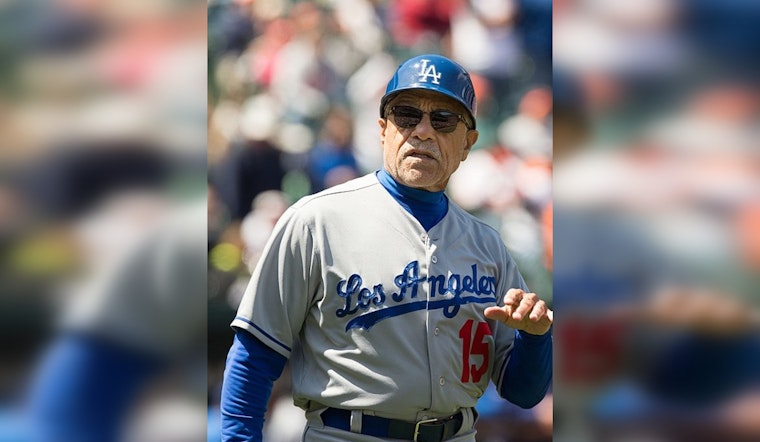
When the Los Angeles Dodgers announced the passing of Davey Lopes on Wednesday, the baseball community was reminded of a legend whose life story transcended the diamond. Lopes, who was renowned for his unflappable presence on the field and his uncanny ability to steal bases, had spent a remarkable 16 years in Major League Baseball, most of them with the Dodgers. After hanging up his gloves in 1987, he returned to the organization in 2010, dedicating five seasons as the first‑base coach and continuing to inspire young athletes with his enduring passion for the game.
Drafted in the second round of the 1968 MLB draft, Lopes was part of a cohort that many historians regard as the most talented in baseball history. Standing 5‑foot‑9 and weighing 170 pounds, he emerged from a rough neighborhood in East Providence, Rhode Island, to become the Dodgers’ everyday second baseman and leadoff hitter. His early career was marked by a blend of speed, intelligence, and defensive prowess that quickly earned him four All‑Star selections, two stolen‑base titles, and a Gold Glove award.
The 1973 season was a turning point not only for Lopes but for the entire Dodgers infield. Manager Walter Alston executed a bold positional shuffle: Lopes moved to second base, Bill Russell took over shortstop, Steve Garvey shifted from third to first, and Ron Cey was installed at third. To help the transition, the Dodgers brought in Monty Basgall, a respected infield instructor, from the front office to the field. The new quartet made their debut together on the second game of a doubleheader against the Cincinnati Reds, a sold‑out crowd at Dodger Stadium on June 23, 1973.
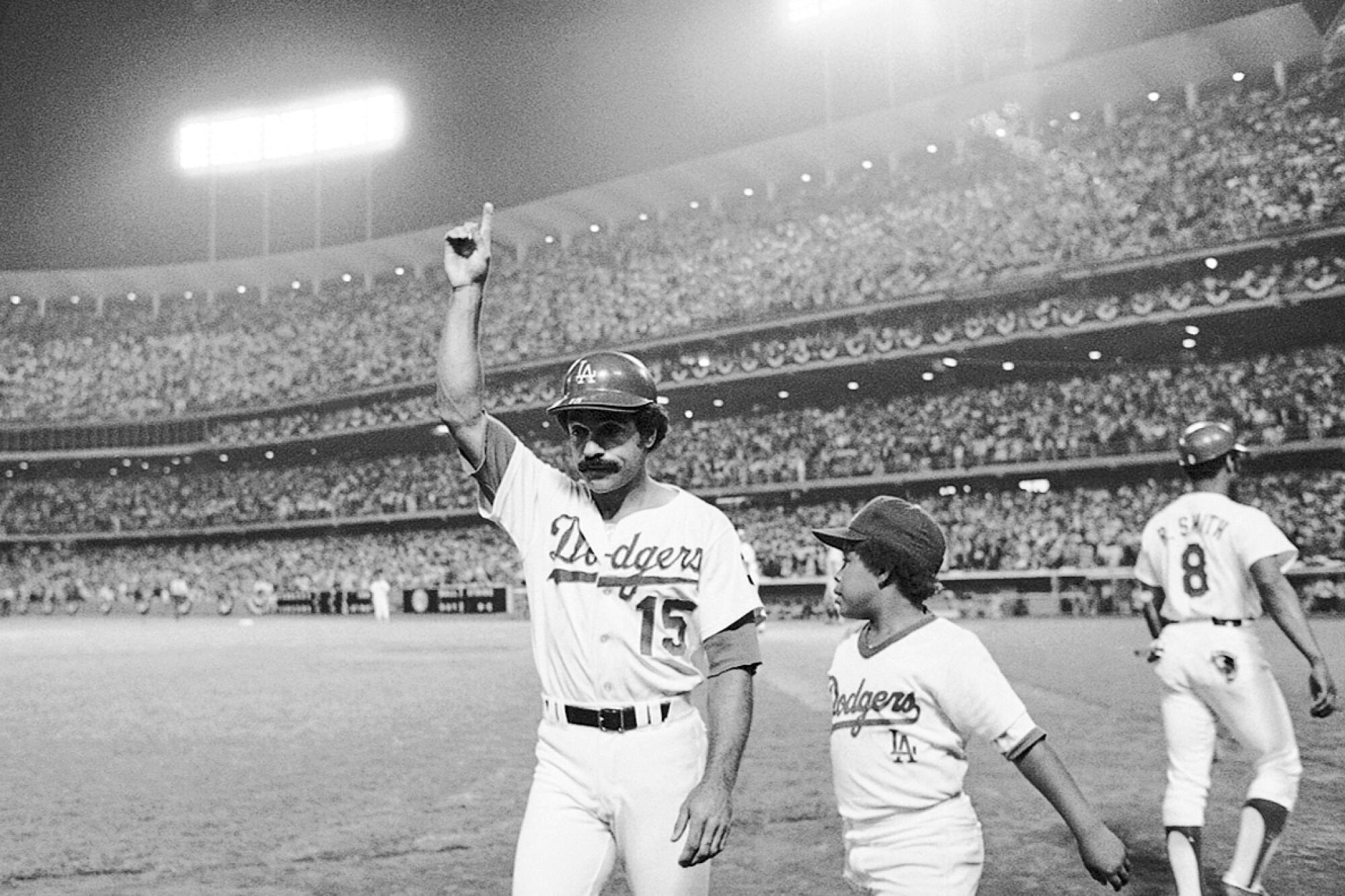
Over the next decade, Lopes and his teammates forged a tight bond that endured through the 1981 World Series championship season. After that triumphant year, Lopes was traded to the Oakland Athletics in exchange for Lance Hudson, a utility player who never made it to the majors. He continued to play at a high level until his retirement in 1987 at the age of 42, amassing 557 stolen bases with an impressive 83% success rate—a statistic that places him among the most efficient base‑stealers in baseball history.
Beyond his speed, Lopes surprised many with his power as a leadoff hitter. He hit 155 career home runs, including a personal best of 28 in 1979 while with the Dodgers. His career batting average of .263 might seem modest, but his eye for the strike zone was exceptional; he walked nearly as often as he struck out, culminating in an impressive .349 on‑batter’s percentage. Over 1,812 games, Lopes crossed home plate 1,023 times, a testament to his consistency and durability.
One of the most fascinating aspects of Lopes’ approach at the plate was his mastery of stalling tactics. As the pitcher usually batted last, Lopes often found himself in the position to delay the game, giving pitchers a brief respite to cool down. Sportswriter Houston Mitchell described how Lopes would linger in the on‑deck circle, take his time getting the weight off his bat, and then stroll slowly to the plate. This deliberate pacing not only showcased his patience but also earned him a reputation as a “magician” of timing on the field.

Lopes’ early life in East Providence was far from glamorous. Growing up among Irish, Portuguese, and Cape Verdean immigrants in a working‑class neighborhood, he was one of twelve children and lost his father as a toddler. His mother, Mary Rose, worked as a domestic to support the family, while the streets were rife with poverty, crime, and drug use. In interviews, Lopes described his surroundings as a “ghetto” filled with roaches, rats, and poor living conditions, painting a vivid picture of the hardships that shaped his determination.
Sports became Lopes’ lifeline, offering an escape from the bleakness of his environment. He often spoke about how, without the structure and discipline of athletics, he might have followed a different, less hopeful path. In a 1973 conversation with The Times’ Ross Newhan, Lopes reflected, “If it hadn’t been for sports, there’s no telling what I’d be or where I’d be.” His story is a powerful reminder that talent and hard work can transform even the most adverse circumstances.
A key figure in Lopes’ development was Mike Sarkesian, a former high‑school basketball coach who later became an athletic director at Iowa Wesleyan College. Sarkesian, who himself rose from a Providence tenement, served as a mentor and role model for Lopes, filling the void left by the absence of a father figure. Under Sarkesian’s guidance, Lopes honed his baseball skills, eventually earning a place in Iowa Wesleyan’s Hall of Fame in 1987. Their partnership exemplified how mentorship can alter the trajectory of a young athlete’s life.
After being drafted by the San Francisco Giants in the eighth round of the 1967 MLB draft, Lopes chose to return to Washburn University, where he excelled in both baseball and basketball. He graduated in 1969 with a degree in elementary education, a testament to his commitment to academic achievement alongside athletic excellence. The Dodgers signed him for a modest $10,000, and he spent his first two minor‑league seasons at Class‑A Daytona Beach while completing his coursework. His early career decisions laid the groundwork for a professional journey that would inspire countless others.


