

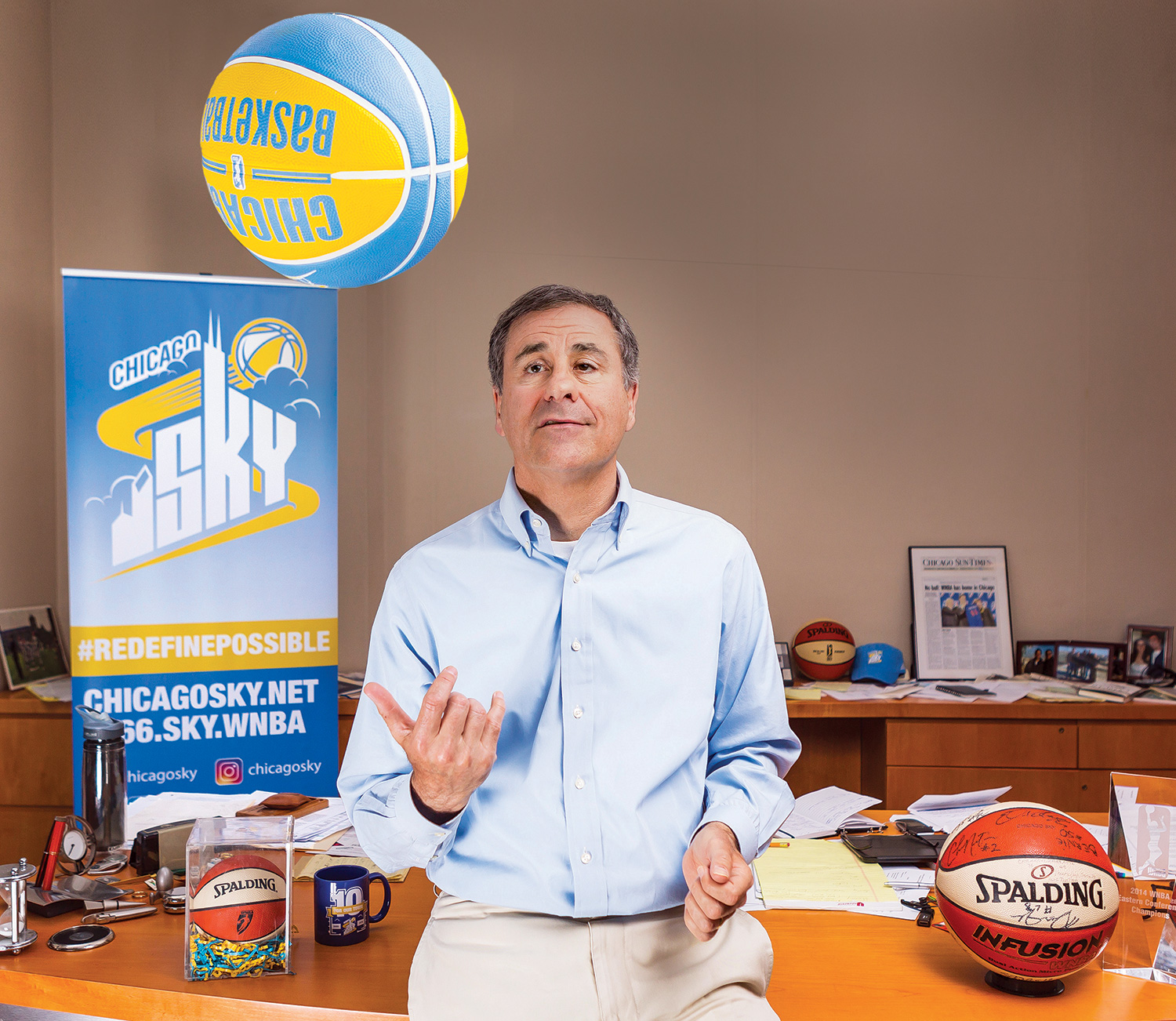
In the wake of the new WNBA collective bargaining agreement, the spotlight has once again fallen on Chicago Sky owner Michael Alter, whose stewardship of the franchise has sparked a firestorm of criticism from players, fans, and industry insiders alike. The recent trade of superstar Angel Reese to the Atlanta Dream has become the latest flashpoint, revealing a pattern of financial mismanagement and a stark disconnect between the team’s on‑court talent and off‑court operations.
Alter acquired the Sky in 2006, a time when women’s professional basketball teams could afford to operate on a shoestring budget and still survive. The landscape has since evolved dramatically. Modern franchises such as the Las Vegas Aces, Washington Mystics, and Phoenix Mercury have become lucrative revenue generators, investing heavily in state‑of‑the‑art facilities, robust marketing campaigns, and comprehensive player support systems. In contrast, the Sky have continued to function almost as a charitable endeavor, with limited resources and a focus on cost‑cutting that has left both the players and the brand underdeveloped.
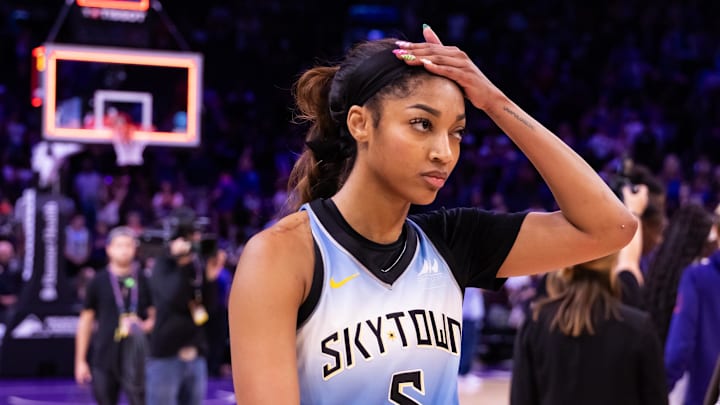
Under the new CBA, minimum salaries will soar from under $70,000 to $270,000, and Angel Reese’s base salary is slated to jump to $350,000 this season. Reese, a national marketing asset and the face of the Sky’s brand, could be eligible for a super‑max contract worth $1.4 million as early as next year, and a guaranteed deal in 2027. Yet Alter has repeatedly signaled that he cannot, and will not, meet these financial obligations. The decision to trade Reese to the Dream, in exchange for a pair of first‑round draft picks, has been framed by Sky GM Jeff Pagliocca as a “roster balancing” move, but it appears to be a desperate attempt to offload a costly player while keeping the team financially afloat.
The repercussions of this trade are already visible. Ticket prices for Sky home games have doubled between 2024 and 2025, yet fans are left wondering what they are actually paying for. The arena, primarily home to a college team, limits revenue opportunities, and the Sky’s marketing efforts have been so sluggish that it took half a season to unveil a new 20th‑anniversary logo on the court. Players have reported that practice facilities remain subpar; the team currently shares a suburban rec center with senior citizens who finish water aerobics just moments before the players arrive. Former Sky guard Bec Allen described the experience as “a little bit miserable,” underscoring the lack of professionalism permeating the organization.
Beyond the financial and operational shortcomings, there are serious governance concerns. One of the Sky’s minority owners has filed a lawsuit alleging that Alter breached his fiduciary duties by misallocating franchise assets and misrepresenting the team’s value for personal gain. This legal dispute highlights a deeper issue: the WNBA’s top‑tier franchises are not only failing to compete on the court but are also undermining the league’s credibility and financial health from the sidelines.
The broader implications for the WNBA are significant. While expansion teams are now commanding valuations of $250 million and the Connecticut Sun reportedly sold for $300 million, the Sky’s continued underinvestment is a blow to the league’s collective brand equity. Revenue growth at the team level is meant to benefit the entire league; when a franchise operates at a loss, it dilutes the overall financial health of the WNBA and hampers its ability to negotiate future deals, secure sponsorships, and expand its market reach.
Given these circumstances, many stakeholders are calling for a change in ownership. The league could encourage minority owners to orchestrate a buy‑out or seek a strategic partner such as Ariel Investments’ CEO Mellody Hobson, who has a long‑standing connection to Chicago and has been a frequent attendee at Sky games. A fresh, professionally oriented ownership structure would not only restore confidence among fans and players but also align the franchise with the league’s long‑term growth objectives.
Angel Reese’s departure has left a void that the Sky will struggle to fill. The team’s talent pipeline is shallow, and without significant investment in player development and scouting, the franchise risks becoming a perennial underperformer. This is not merely a matter of on‑court performance; it is a question of sustaining a viable business model that can attract sponsorships, media deals, and a loyal fan base.
In the wake of this controversy, the WNBA and its NBA parent organization have a responsibility to ensure that all franchises operate at a level that reflects the professionalism and competitiveness of the league. An ownership change for the Sky could serve as a catalyst for broader reforms, encouraging other teams to reevaluate their operational strategies and prioritize sustainable growth.
Ultimately, the Sky’s future hinges on a decisive move to bring in an owner who is willing to invest in the franchise’s infrastructure, marketing, and player welfare. Until that happens, the team will continue to be a cautionary tale about the dangers of undercapitalization in a rapidly evolving sports landscape.


